What is a Linear Control Valve?
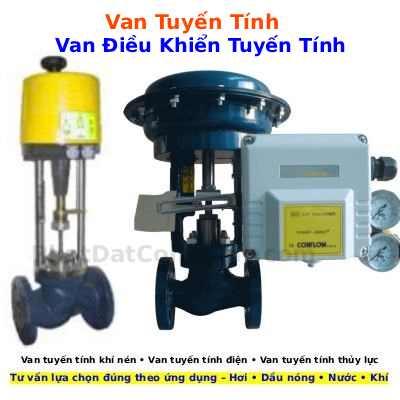
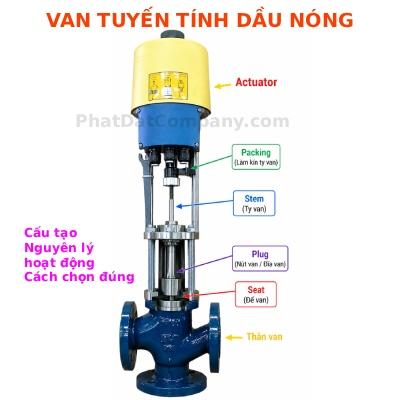
In its simplest form, a linear valve has a valve that moves in a straight line to start, stop, or regulate flow.
There are several different types of actuators, including discs, seats, or diaphragms. Although linear valves are slower, they offer greater precision and control over the position of the actuator.
They can be used to:
Direct flexible material into a channel.
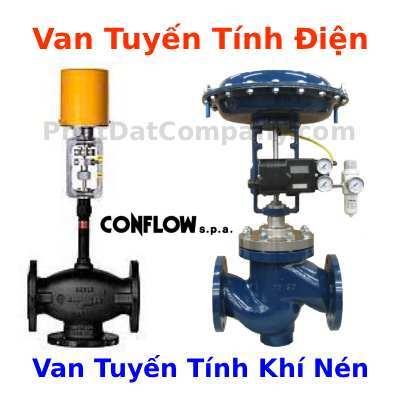
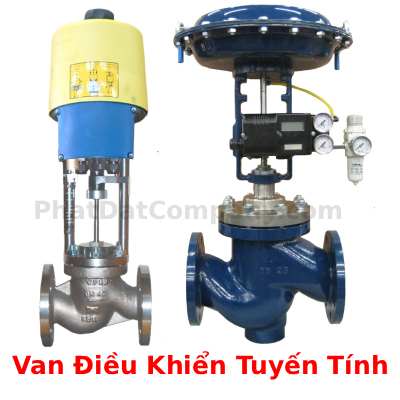
There are several examples of linear control valves, including gate valves, globe valves, fixed cone valves, needle valves, and clamp valves.
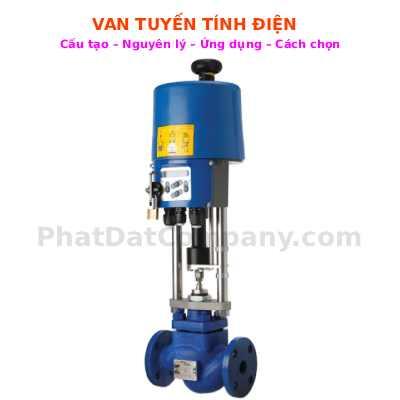
The UNIWORLD Type 2000 EP AMS 2-WAY Series linear valves can be configured to specific application requirements. Globe body in cast iron – carbon steel and stainless steel to EN 558-1, flange connection to EN 1092-1. Particularly compact, the valve is equipped with a conventional or intelligent electric actuator and can be equipped with a wide range of accessories as required. The product range complies with PED 2014/68/UE – ATEX 2014/34/UE – UKCA PER – UKCA 2016 Regulation No. 1107 – EAC TP TC 010/2011 – 2014/30/EU (EMC) – 2014/35/EU (LVD) – 2011/65/EU (RhOS). TYPE 2000 EP / 2000 AMS
SIZES: from DN 15 to DN 100
BODY CONNECTION: flange EN 1092-1 PN16/PN40
BODY MATERIALS:
• Cast iron EN-GJL-250 UNI EN 1561 PN16 inside AISI 316
• Carbon steel GP240GH÷N PN 16 …PN40 inside AISI 316
• Steel ST. AISI 316 1.4408 PN 16 - PN 40 inside AISI 316 - bonnet st. AISI 316 steel
COVER:
• Standard for temperatures from -5 to + 400 °C
• Flap for temperatures +200 °C
• Extended for temperatures -5 °C
• Bellow seal for thermal oil or hazardous environments
Power supply 220VAC
Input 4-20mA, 0-10V
Option:
Power supply 24VDC
Potentiometer 1000 Ohm
Output 4-20mA
Limit switches
IP67