
• Viet Nam
  • American
  • Loading...

    Tổng tiền:

    Loading...
    Loading...

    Tổng tiền:

    Tìm kiếm

    Danh mục sản phẩm

    Loading...

    Sản phẩm hot

    Assure high quality products

    Globe Control Valve Repair Guide: 12 Common Problems and How to Fix Them

    Liên hệ
    Còn hàng

    Learn how to repair globe control valves with this practical guide covering 12 common problems such as valve hunting, leakage, stem jamming, 4-20mA signal loss, and positioner failure.

    • Chia sẻ qua viber bài: Globe Control Valve Repair Guide: 12 Common Problems and How to Fix Them
    • Chia sẻ qua reddit bài:Globe Control Valve Repair Guide: 12 Common Problems and How to Fix Them

    Globe Control Valve Repair Guide: 12 Real-World Problems and Solutions
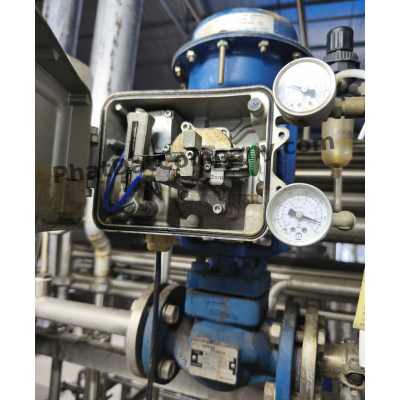
    Repair globe control valves at the factory, check positioner and actuator

    Actual images of the globe control valves repair process, checking the positioner, pneumatic system, and valve travel before putting it back into operation.


    Why do linear control valves fail?

    Linear control valves operate continuously under harsh conditions:

    • steam 
    • hot water 
    • thermal oil 
    • high pressure 
    • frequent modulation cycles 

    After long-term operation, failures are inevitable.

    The key is diagnosing the real problem correctly.
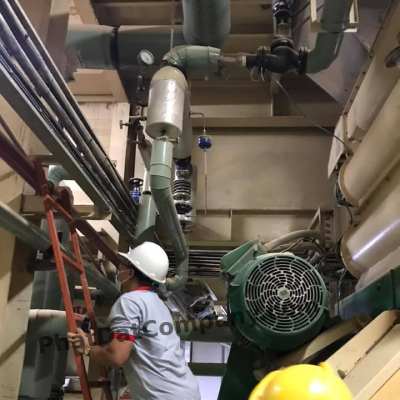
    Techniques for checking globe control valves at the factory

    Physically check the linear control valves before repairing


    12 real-world problems and how to fix them


    1. Valve does not open

    Symptoms:

    • signal is present, but valve does not move 

    Possible causes:

    • no air supply 
    • faulty positioner 
    • jammed valve stem 

    Solution:

    • check air pressure 
    • inspect positioner output 
    • manually test stem movement 


    2. Valve does not close

    Symptoms:

    • valve remains open 

    Possible causes:

    • broken spring 
    • actuator failure 
    • incorrect control signal 

    Solution:

    • verify fail action 
    • test actuator spring return 


    3. Valve stem stuck

    Symptoms:

    • valve moves halfway and stops 

    Possible causes:

    • dirt buildup 
    • bent stem 
    • overtightened packing 

    Solution:

    • disassemble and clean internal trim 


    Practical repair process: actuator removal and body cleaning

    When the valve is stuck, unstable, or leaking, maintenance usually starts by removing the actuator.


    Step 1: Remove the actuator

    Before disassembly:

    • isolate air supply 
    • disconnect control signal 
    • release internal pressure 

    Remove:

    • air tubing 
    • actuator bolts 
    • positioner linkage 

    Important:

    Always mark the stem position before removal.


    Step 2: Inspect gasket, packing, and diaphragm

    Check:

    • body gasket 
    • stem packing 
    • actuator diaphragm 
    • O-rings 

    Signs of damage:

    • hardening 
    • cracking 
    • deformation 
    • air leakage 

    If damaged:

    replace immediately.

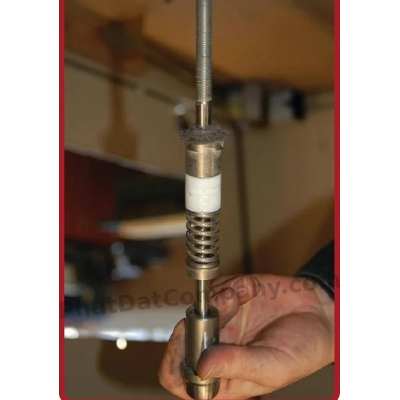
    Check the gasket and packing of the globe control valve when repairing

    Checking gaskets, packing and seals is an important step when repairing control valves


    Step 3: Clean valve body and trim

    Clean:

    • valve seat 
    • plug 
    • stem 
    • guide bush 

    Common contamination:

    • rust 
    • steam debris 
    • oil residue 
    • chemical deposits 

    Many valves can recover after proper cleaning.


    Step 4: Reassemble and stroke test

    After reassembly:

    test with air supply.

    Check:

    • full stroke 
    • leakage 
    • smooth movement 
    • spring return 
    • 4-20mA response 

    If:

    4mA = fully closed
    20mA = fully open

    the valve is working properly.


    4. Valve leakage when closed

    Symptoms:

    • valve is shut, but fluid still passes through 

    Possible causes:

    • worn seat 
    • damaged plug 
    • debris on trim 

    Solution:

    • re-lap or replace trim 


    5. Valve hunting (continuous vibration)

    This is one of the most common field problems.

    Symptoms:

    • valve keeps moving back and forth 

    Possible causes:

    • incorrect PID tuning 
    • oversized Cv 
    • poor sensor location 

    Solution:

    • re-tune PID 
    • check sensor installation 
    • review valve sizing 


    6. Valve does not reach full open

    Possible causes:

    • insufficient air pressure 
    • weak actuator force 


    7. Valve does not fully close

    Possible causes:

    • worn spring 
    • seat contamination 


    8. Positioner does not receive 4-20mA signal

    Possible causes:

    • broken wiring 
    • open loop 
    • controller failure 

    Solution:

    measure loop current.


    How to measure loop current

    To check whether the positioner is receiving signal:

    1. set multimeter to DC mA 
    2. break the signal wire 
    3. connect meter in series 

    Example:

    Controller (+) → Multimeter → Positioner (+)

    Readings:

    • 4mA = near closed 
    • 20mA = near open 

    If 0mA:

    signal loop is broken.


    9. Positioner calibration error

    Symptoms:

    • 4mA does not return to 0% 
    • 20mA does not reach 100% 

    Solution:

    perform re-calibration.


    10. Actuator air leakage

    Possible causes:

    • damaged diaphragm 
    • leaking fittings 


    11. Wrong temperature reading from PT100

    Possible causes:

    • faulty sensor 
    • bad installation location 

    This can cause unstable valve movement.


    12. Jerky valve movement

    Possible causes:

    • dirty air supply 
    • clogged nozzle 
    • faulty FRL unit 


    Real field experience

    In actual industrial plants:

    around 70% of control valve failures are not in the valve body itself.

    Most failures come from:

    • positioners 
    • air supply 
    • control loop 
    • temperature sensors 

    Many customers replace the whole valve unnecessarily.
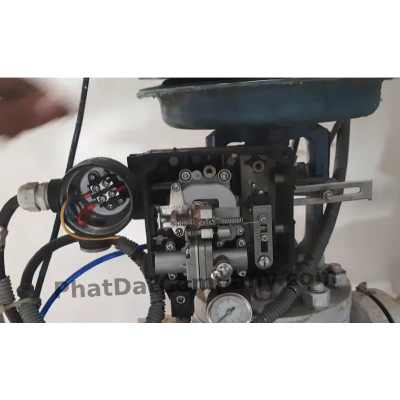
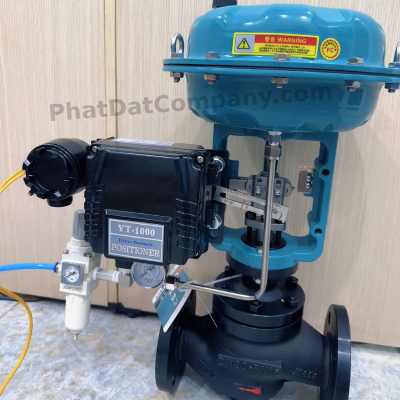
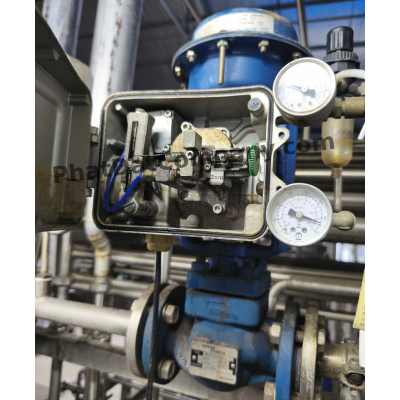
    Repair linear control valve positioner

    Positioner is the most common error-causing position in practice


    When to repair vs when to replace

    Condition

    Repair

    Replace

    Minor leakageYes 
    Positioner failureYes 
    Diaphragm damageYes 
    Bent stem Yes
    Severe seat wear Yes
    Cracked body Yes


    Phat Dat provides:

    • linear control valves 
    • pneumatic actuators 
    • temperature controllers 
    • PT100 sensors 
    • valve troubleshooting support 

    Applications:

    • steam systems 
    • thermal oil 
    • industrial heating 
    • boiler systems 
    Test control valve before delivering to customers

    Control valves are actually tested before delivery


    FAQ

    Why is my control valve hunting?

    Usually due to poor PID tuning or incorrect Cv sizing.


    Why does the valve leak even when closed?

    Seat wear or contamination is the most common cause.


    Should I replace the valve immediately if it stops moving?

    No. Always check the positioner first.


    Can a faulty positioner be repaired?

    Yes, depending on the damage.


    Is your linear control valve experiencing:

    • failure to open 
    • failure to close 
    • vibration 
    • leakage 
    • signal loss 

    Send us your valve model or photos.

    Phat Dat can help diagnose the real issue before replacement.
     

    Tags

    Sản phẩm liên quan