
- SP


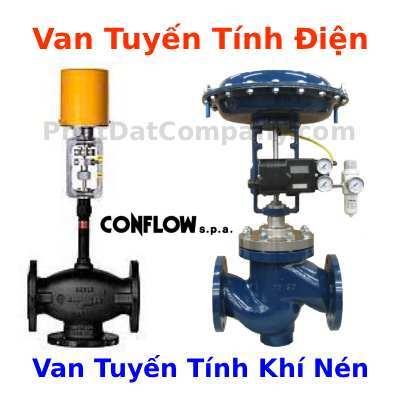
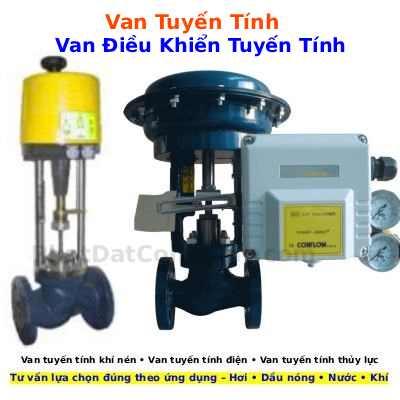
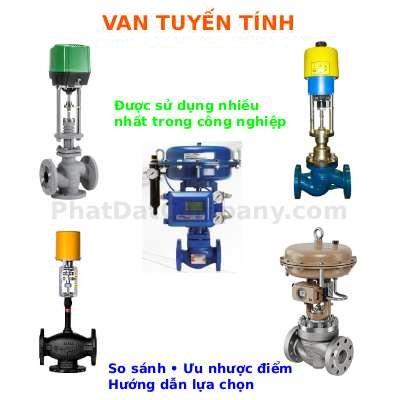
Linear control valves are designed so that the flow rate changes proportionally to the valve position. This means that a fixed change in valve position results in a consistent change in flow rate, making them ideal for applications that require precise flow control over the entire operating range
Linear Control Valve Equal Percentage Control Valve ON OFF Control Valve How Different?
If you need to optimize your plant's control system, choosing the right control valve is an important decision that can significantly affect performance, efficiency, and reliability.
Among the many options, choosing between Linear Control Valve Equal Percentage Control Valve, ON OFF Quick Open Close Control Valve plays a key role in determining how to regulate the flow of liquids, steam, hot oil, etc. in different applications.
Each type of valve has its own unique characteristics to suit different technical requirements. In this article, we will analyze the main differences, advantages, and disadvantages of linear control valves Equal Percentage Control Valve ON OFF Quick Open Close Control Valve, helping you understand when to use which type of valve.
Additionally, we will cover the essential performance metrics and important factors to consider when selecting the best control valve for your needs, the linear control valve installation location. Whether you are working with constant pressure systems, high differential pressure systems or precision flow control applications, we hope this article will help you select the optimal valve type for your plant's control system.
Linear Control Valves:
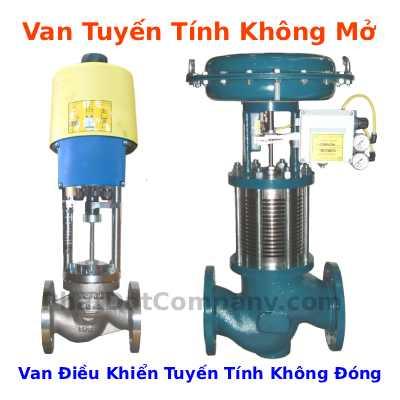
Linear control valves are designed so that the flow rate changes proportionally to the valve position. This means that a fixed change in valve position results in a consistent change in flow rate, making them ideal for applications that require precise flow control over the entire operating range. They are particularly effective in systems with a constant pressure drop, ensuring a stable and predictable flow characteristic.
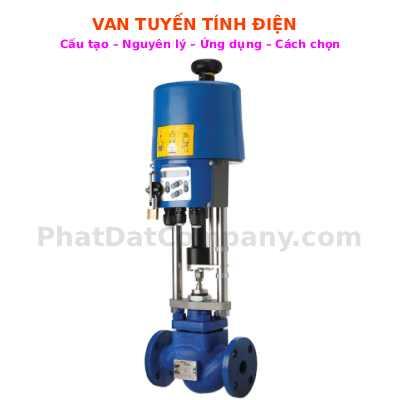
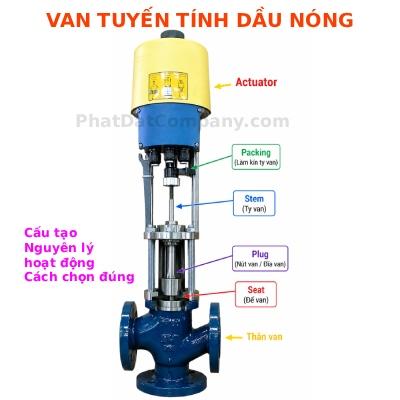
Linear Control Valves
Linear Valves
Equal Percentage Control Valves:
Equal percentage control valves exhibit a flow characteristic in which each equal increase in valve travel results in an equal percentage change in flow. This relationship allows for better control at lower flow rates and more significant regulation at higher flow rates. These valves are advantageous in applications where the pressure differential across the valve decreases as flow increases, as they can maintain effective control over a wide range of operating conditions.
Equal Percentage Control Valves
Equal Percentage Control Valves
ON OFF Control Valves:
A quick-opening stem produces a large increase in flow with a small initial change in valve stem travel. Flow is near maximum at maximum valve stem lift.
A quick-opening stem is often used in two-position “On-Off” applications. But also increases the possibility of control valve instability.
On-off Control Valves
Performance Comparison:
5 Key Metrics to Evaluate
Speed of Response
In dynamic systems where rapid adjustments are required, equal percentage control valves are often preferred. Their design allows for rapid response to changes in fluid flow, making them suitable for applications requiring fast operation.
Pressure Fluctuation Tolerance
Linear control valves: These are often preferred in systems with minimal pressure variation, as they provide consistent control under stable pressure conditions.
Equal percentage control valves: These are often chosen for systems with significant pressure variation, as their design compensates for changes in pressure drop, maintaining effective control over a wide range of operating conditions.
Control Accuracy
Valve Characteristic Curve
Low Flow Conditions: Equal percentage control valves provide better control at lower flow rates, improving accuracy in applications with minimum flow requirements.
High Flow Conditions: Linear control valves provide consistent performance at higher flow rates, ensuring stable operation in systems with high flow demands.
Long-term Stability and Maintenance Costs
Linear control valves: Often used in water systems, these valves are known for their reliability and lower maintenance requirements, contributing to lower long-term operating costs.
Equal percentage control valves: Often used in steam systems, they can require more maintenance due to their complex design but are essential for applications that require precise flow control over a wide range.
Energy Consumption Analysis
Linear control valves: Their simple design often results in lower energy consumption, making them suitable for applications where energy efficiency is a priority.
Equal percentage control valves: Although they may consume more energy due to their design, their ability to maintain control over varying flows can lead to overall energy savings in systems with fluctuating demands.
By carefully evaluating these performance metrics, you can make an informed decision about the type of control valve best suited for your particular application, balancing factors such as response speed, control accuracy, pressure tolerance, stability, maintenance costs, and energy efficiency.
So how do you decide which type of control valve to use? Here are some suggestions for you:
Linear control valves:
Used in liquid level or flow loops.
Used in systems where the pressure drop across the valve is expected to be fairly constant (i.e. steady state systems).
Equal percentage control valves:
Used in systems where the pressure drop is expected to vary widely.
Used in systems where the valve allows a small percentage of the total pressure drop.
Used in temperature and pressure control loops.
ON OFF control valves:
Used for frequent on-off applications.
Used for systems requiring large "instantaneous" flows (i.e. safety systems or cooling water systems).
There are two points to keep in mind when selecting the correct flow characteristics of the control valve:
If a large amount of pressure drop is passed through the valve and the inlet pressure is constant, a linear valve will provide better control.
If the piping and outlet devices cause significant resistance to the system, the equal percentage valve type will provide better control.
Common applications of each valve type
Common applications of linear valves, equal percentage valves, ON OFF control valves are:
1) Linear valves:
a) Liquid level and flow control loops.
b) Used in systems where the pressure drop across the valve is expected to remain fairly constant.
2) Equal percentage control valves:
a) Temperature and pressure control loops.
b) Used in systems where the pressure drop across the valve is expected to vary widely.
3) ON OFF control valves:
a) Frequent opening and closing operations.
b) Used for systems requiring large "instantaneous" flow rates (safety or cooling water systems).
Some examples
Selecting the correct control valve characteristics is essential to optimizing system control in a variety of applications. Here are three important applications to consider:
Application 1: Constant Pressure Systems (e.g., Water Supply Systems)
In systems where the pressure drop across the valve is relatively constant, such as water supply systems, linear control valves are often preferred. These valves provide a proportional relationship between valve position and flow, ensuring consistent flow control. Their performance is predictable, making them suitable for applications where precise flow regulation is required.
Application 2: High Pressure Differential Systems (e.g. Steam Distribution)
Installation of Linear Control Valves in Steam Distribution Systems
For applications such as steam distribution, where there are significant pressure variations, equal percentage control valves are often used. These valves are designed to compensate for changes in pressure drop, maintaining effective control over a wide range of operating conditions. Their inherent characteristics allow for better control at lower flow rates and more significant regulation at higher flow rates, making them ideal for systems with large pressure differentials.
Installation of Linear Control Valves
Good price pressure sensors. You can see here
Super good price pressure gauges. See here
Application 3: Precise Flow Control (e.g. Pharmaceutical Systems/Drying Systems)
In applications requiring precise flow control, such as pharmaceutical systems or drying systems, the choice between Linear Control Valves and Equal Percentage Control Valves depends on the specific process requirements. Linear control valves are suitable when a constant flow is required over the entire operating range. However, if the system experiences varying pressure drops, an Equal Percentage Control Valve may be more suitable to maintain precise flow control. It is important to evaluate the pressure characteristics and flow requirements of the system to determine the optimum valve type.
Factors for selecting Linear Control Valves and Equal Percentage Control Valves
Technical requirements:
Fluid type and properties (e.g., density, viscosity, vapor pressure)
Flow rate (minimum, normal, and maximum)
Operating pressure
Operating temperature
System Characteristics:
Piping Size and Layout
Available Pressure Drop Across the Valve
Are There Potential Problems Such as Cavitation or Leakage
Performance Requirements:
Desired Control Accuracy and Range
Response Time and Stability Criteria
Maintenance and Durability Expectations
This data forms the basis for selecting the valve that best suits the specific needs of the application.
Phat Dat Company specializes in supplying and installing linear control valve systems.
Contact phone number 02835531725, or email: info@phatdatcompany.com
Thank you for reading the article.
If you have any comments or suggestions, please contact us.
PHAT DAT TRADING ENGINEERING SERVICE COMPANY